


The Role of Emotional Safety in Long-Term Recovery
- donna5686
- Dec 16, 2025
- 4 min read
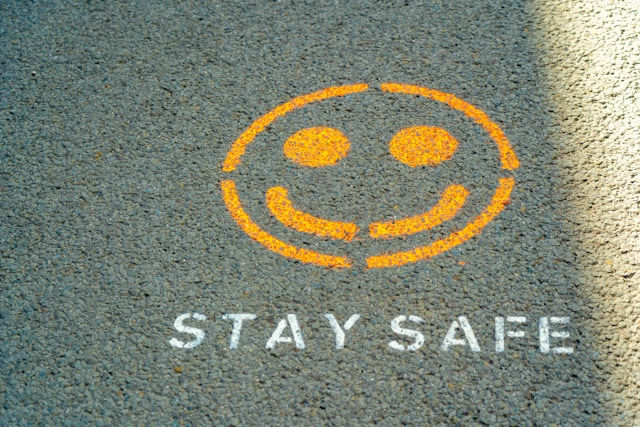
For long-term recovery, you need to feel at ease. When you don’t have emotional safety, you become harder to approach — which makes things difficult for anyone trying to help you. That’s why you need to work on feeling safe first. After that, recovery will stop feeling like you’re climbing the Himalayas, and you’ll find your path to healing. And remember — in this sense, safety doesn’t mean closing down. With physical safety, you picture shelter and locked doors. With emotions, things are a little different. It comes down to how open you are to the world, while still preserving your authentic self.
Leaving a Toxic Relationship
Toxic relationships break emotional safety, and staying can be harmful. At first, you adjust, then you justify, then you start doubting your own senses. Once confusion becomes part of the daily routine, the relationship has already crossed a line.
These relationships follow a rhythm: calm, conflict, apology, hope, and then back to conflict. The cycle repeats until you feel worn down. You wait for the next calm moment, believing it signals change. But the pattern stays the same, and every round takes a little more from you.

Seeing the pattern clearly is the turning point. Once you name what’s happening, the exit becomes more imaginable for long-term recovery.
What You Need to Do
Leaving requires more than a decision. It requires preparation — documents, support, money, and someone who knows what you’re planning. The emotional reaction afterward can be chaotic. Grief is there even when the relationship hurts you. Doubt will be there. None of this means you made the wrong choice, and setting boundaries is perfectly normal.
Distance from toxic people helps you with long-term recovery. When contact stops, your nervous system slowly adjusts. You begin to hear your own thoughts without interference.
Rebuilding yourself after toxicity is deliberate work. You return to old interests or try new ones. You remind yourself — sometimes every hour — that your worth wasn’t erased. The more you practice choosing yourself, the clearer your future boundaries become.
Eventually, the early warning signs become clearer. You trust your instincts faster. And you hold your relationships to a healthier standard.
Physical Safety vs. Emotional Safety
Physical safety is obvious. You know when your body is secure, when you have a bed, food, and some sense of stability. If any of that is missing, your mind jumps into survival mode, because that’s what it’s meant to do.
Emotional safety is more subtle, and it requires more self-care. You notice it in the pause before you speak, when you realize you’re not worried about being mocked or dismissed. It’s the ease that settles into your shoulders when someone listens without rushing to correct you. There’s no alarm bell ringing in the back of your mind. Your stress chemicals calm down. You feel more present.
But you can be physically safe and still feel constantly on edge. A peaceful home can feel hostile if someone’s moods force you into constant guesswork. Your nervous system doesn’t care that the door is locked; it only cares whether it expects the next moment to be dangerous or unpredictable.
Both kinds of safety feed each other. One’s the frame. The other is the lived experience inside that frame. When either one weakens, recovery becomes harder than it needs to be.
Building Emotional Safety Internally
The starting point is usually your own inner voice. Everyone has one, but some voices become so sharp that they undermine any attempt to heal. You catch yourself saying things you wouldn’t say to anyone else. That kind of self-talk pushes your nervous system into a corner.

Changing it doesn’t require empty affirmations. It only requires slower correction. When the insult rises, interrupt it. Swap it for something more neutral, even if it feels strange. That little interruption gives your brain a new place to stand.
Boundaries help as well. They act as guardrails, not walls. They tell people how to treat you and tell you where your limits sit. Clear boundaries reduce confusion. Most of the time, people respond better to clarity than to silent resentment — though it still takes courage to say what you need. It always feels a bit uncomfortable, but discomfort isn’t danger.
Vulnerability matters too, but it isn’t a free-for-all. You don’t have to hand over your story to everyone you meet. Share a little, observe, and notice whether the other person holds your words with care. Safe people show you who they are in small, consistent moments.
Support Systems and Real Relationships
People heal faster when they’re not alone in the process. Even one honest relationship can pull you out of isolation. Safe people don’t need perfect emotional control; they just try. Their reactions make sense. Their presence doesn’t drain you. Around them, your breathing changes before you even notice it.
Therapy offers a different kind of stability. A therapist isn’t part of your everyday circle, yet their consistency creates a reliable place for honesty. You can speak without worrying about fallout. Over time, that model shapes how you approach relationships outside the session.
Groups help differently. When you hear someone describe something you thought only you felt, the shame loosens. Strangers become mirrors. You realize the struggle you carried alone is a whole community’s experience too.
The process of finding support is slow but worthwhile. You don’t need a large network. A few dependable people can do more for your recovery than any grand plan.
What All This Means
Emotional safety is not optional in long-term recovery. It shapes the way you think, react, and heal. With it, the process becomes more bearable. Without it, even simple steps feel heavy.
You now know what emotional safety looks like on the inside and in your relationships. You also know why certain connections strengthen your progress while others break it down.
Recovery grows out of many small, human choices, repeated over and over, until they form a life that feels safe enough to live in.
Feeling isolated or struggling with substance use? You don’t have to go through it alone. Connect with our compassionate therapists at Global Therapy — book a session today or call us at 479-268-4598 for a free consultation.


Comments